
Trademark infringement can have serious consequences for both businesses and individuals. Therefore, understanding the nuances of registered and unregistered trademarks is essential for protecting your intellectual property rights. In this article, we’ll explore various aspects of trademark infringement, including its definition, identification, and prevention. Whether you have a registered trademark or rely on common law protection, this guide will provide expert insights to help safeguard your valuable assets.
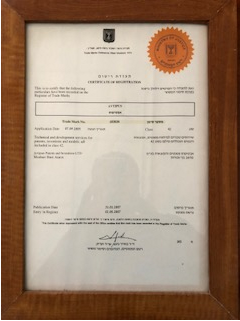
The Significance of Trademark Registration
Trademarks, playing a crucial role in business, serve as a company’s face and distinguish its products or services from competitors. They’re an integral part of brand identity and can significantly impact the company’s reputation and profitability. However, trademarks are exposed to infringement, which can jeopardize the business’s success and reputation. Below we’ll provide basic information on trademark infringement, covering both registered trademark infringement and unregistered trademark infringement.
Understanding the Trademark World
To understand what trademark infringement is, it’s important to grasp the basic concept of this term. Trademarks are unique marks, such as names, logo symbols, or emblems, that identify and distinguish between sources, their goods, or services. The marks serve as a type of intellectual property protection and prevent others from using similar marks that might cause consumer confusion. In practice, trademarks can be registered with appropriate government authorities through trademark registration, providing additional legal protections, and can exist as unregistered trademarks, relying on common law rights.
Identifying Trademark Infringement
Trademark infringement occurs when a third party uses a mark confusingly similar to an existing trademark, without the trademark owner’s consent. Identifying trademark infringement requires careful observation and analysis. There are various types of trademark infringement, including direct infringement, counterfeit products, and dilution infringement. By understanding these different forms of infringement, trademark owners can take appropriate action to protect their rights.
Registered Trademark Infringement
It’s important to know that registered trademarks offer stronger legal protection compared to unregistered trademarks. Obtaining a registered trademark grants exclusive rights to the owner and provides a legal framework for enforcing these rights. If a registered trademark is infringed, the mark owner has various legal options, such as filing a compensation claim.
Unregistered Trademark and Common Law Protection
Unregistered trademarks, although providing limited protection, can still be protected according to common law rights. Common law protection derives from actual use of the mark in commerce, establishing certain rights even without formal registration. However, proving trademark infringement for unregistered marks can be challenging, as gathering evidence and proving consumer confusion become essential in establishing a strong claim.
Proving Trademark Infringement
Determining trademark infringement requires meeting specific legal standards and elements. Trademark owners bear the burden of proof, which includes proving the likelihood of consumer confusion. Thorough trademark search is essential to assess potential risks and identify possible infringing marks. Also, expert witnesses can provide important insights in proving trademark infringement, offering their professional and unique knowledge and perspective to strengthen the case.
Preventing Trademark Infringement
As in other areas, prevention is preferable to enforcement when it comes to trademark infringement. Conducting comprehensive trademark searches before submitting a registration application can identify potential conflicts and save both time and money. Additionally, taking proactive steps to secure trademark rights, such as timely registration and vigilant monitoring, can help prevent infringement. Also, educating employees and partners about the importance of trademark protection and implementing strict enforcement strategies are steps ensuring robust protection against infringement.
Trademark Registration Price/Cost
Trademark price or cost consists of a fee that must be paid in Israel to the authority through billing at the Ministry of Justice. In addition to the fee, there’s the cost of attorney fees for a patent attorney or lawyer. This cost varies case by case. There are marks easier to register and more complex ones. Trademark registration can be on a word or logo as well as other components, even on a color. It also depends on how many classifications are submitted in the same application – the first classification is more expensive, and for all additional classifications, the authority charges a lower cost when submitted under the same application.
Professional Trademark Protection
Trademark infringement poses a significant threat to businesses and individuals relying on their trademarks to establish and protect their brand identity. For additional details, contact us regarding trademarks, and a consulting patent attorney will help you with the required information to protect them. The assistance relies on understanding trademark law nuances and taking proactive steps to protect intellectual property.
For assistance on trademark matters, you’re invited to contact Av Tipus Patents and Inventions Ltd. at 03-9711011.