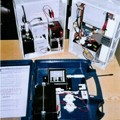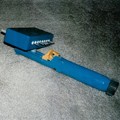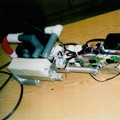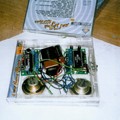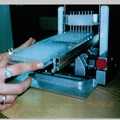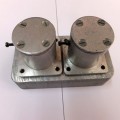
25 years of experience in developing products and ideas that have achieved great success around the world. We work with private inventors and companies, with universities and research institutes, military and security institutions.
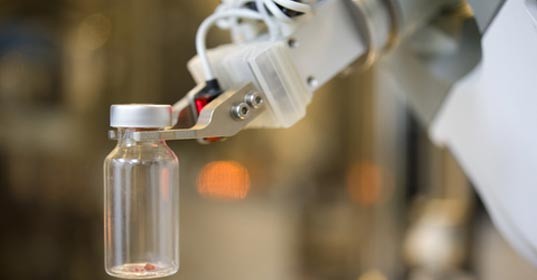
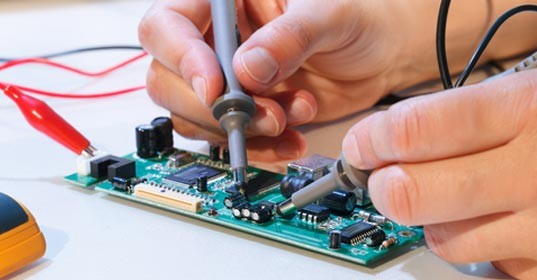
Our specialty is building prototypes and models, assistance and guidance in realizing the invention, and providing comprehensive services to inventors and companies.
Our company is known for finding creative solutions from the conceptual stage to product manufacturing by a team of experts in many fields.
Product or patent development requires knowledge and experience in many fields. The solutions found by product development personnel starting from the conceptual stage and through product implementation in various stages will affect product manufacturing costs and production line and manufacturing tool development and manufacturing costs, ergonomics – namely the way of using the product and product design that conveys the usage experience, and more.
In product development at our company, we offer the entrepreneur or company different possible alternatives for product implementation in combination with consulting patent attorneys who draft the patent registration application and protect the technology or design through industrial design registration. We find different solutions and help in product and patent development.
Product and Patent Development
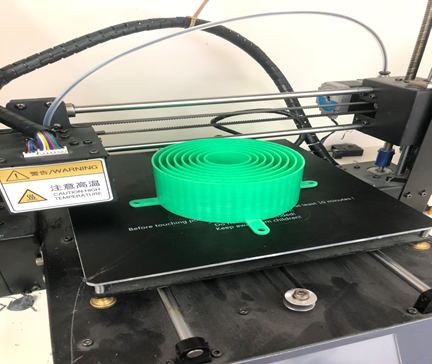
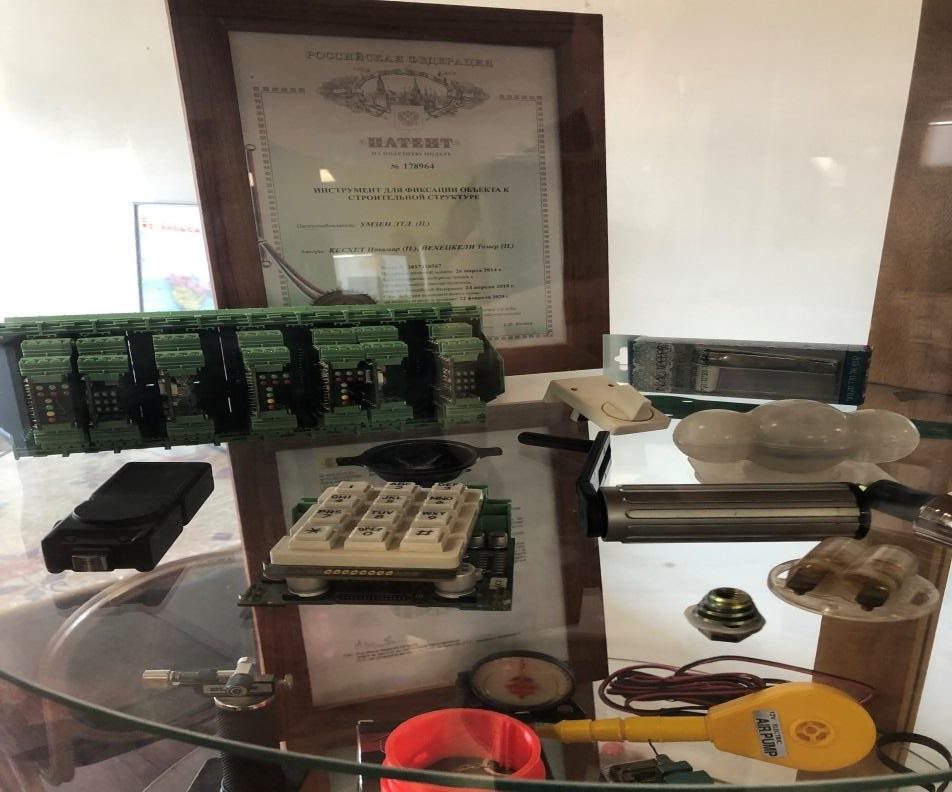
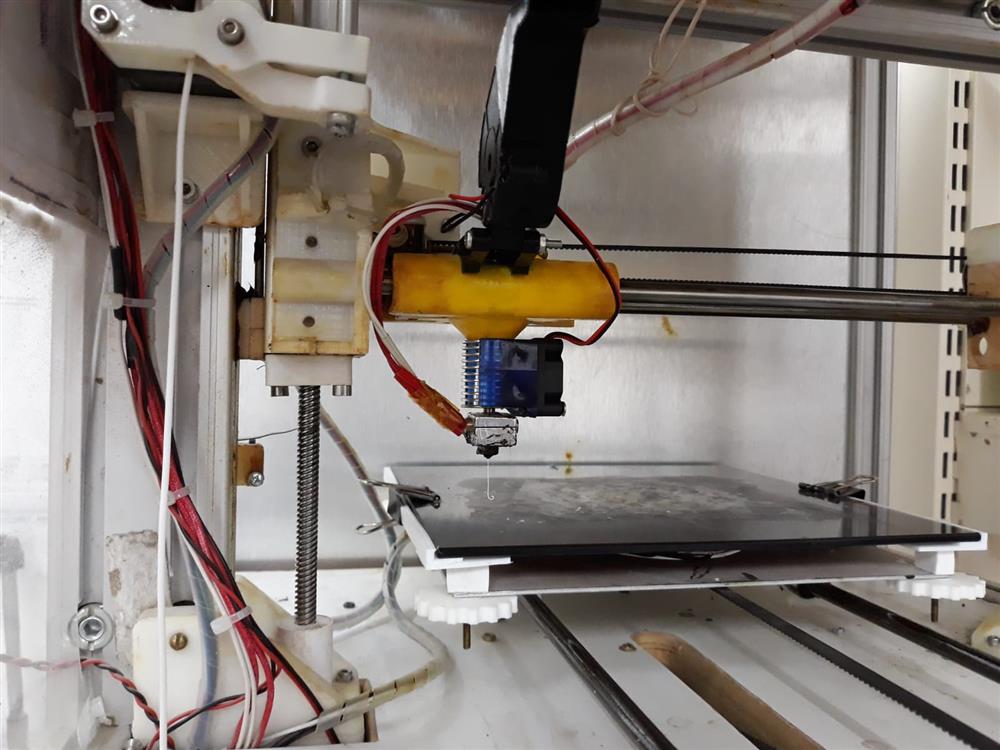
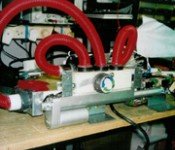
In the product development process, we use manufacturing means and model building in our workshop, including machines for machining and engraving, 3D printers for plastic parts, and an electronics laboratory with software development means (applications), hardware, optics, and more.
We develop starting from “simple” products such as plastic and metal parts as well as complex multidisciplinary products.
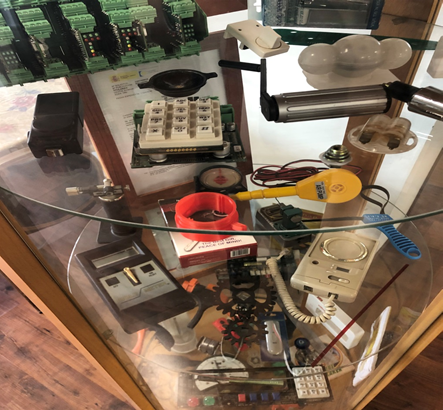
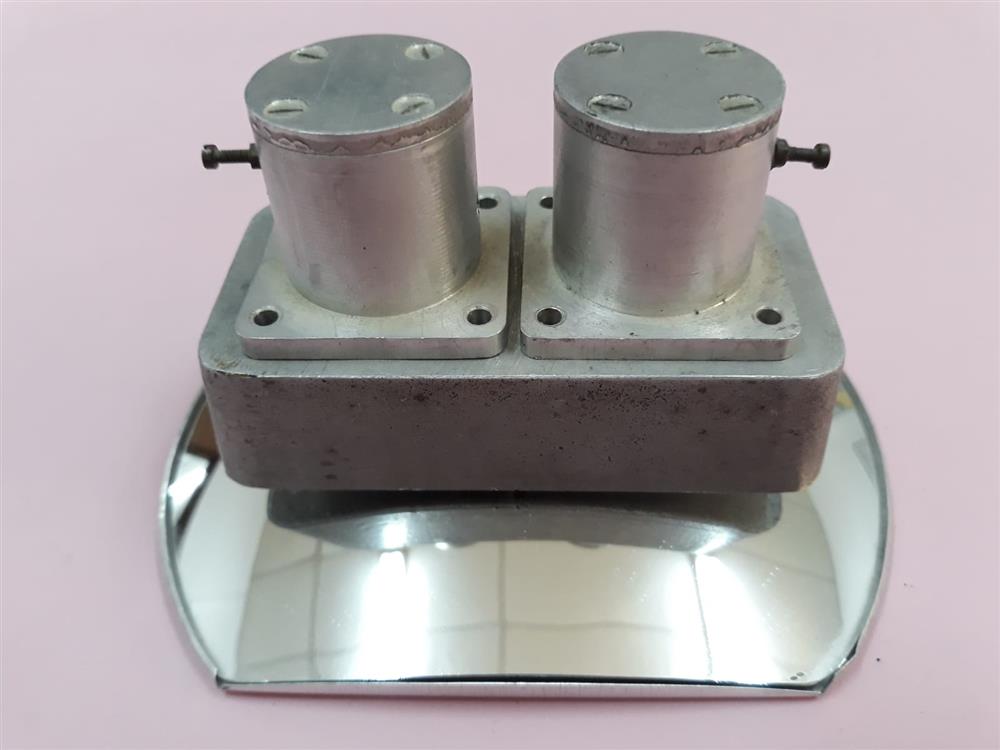
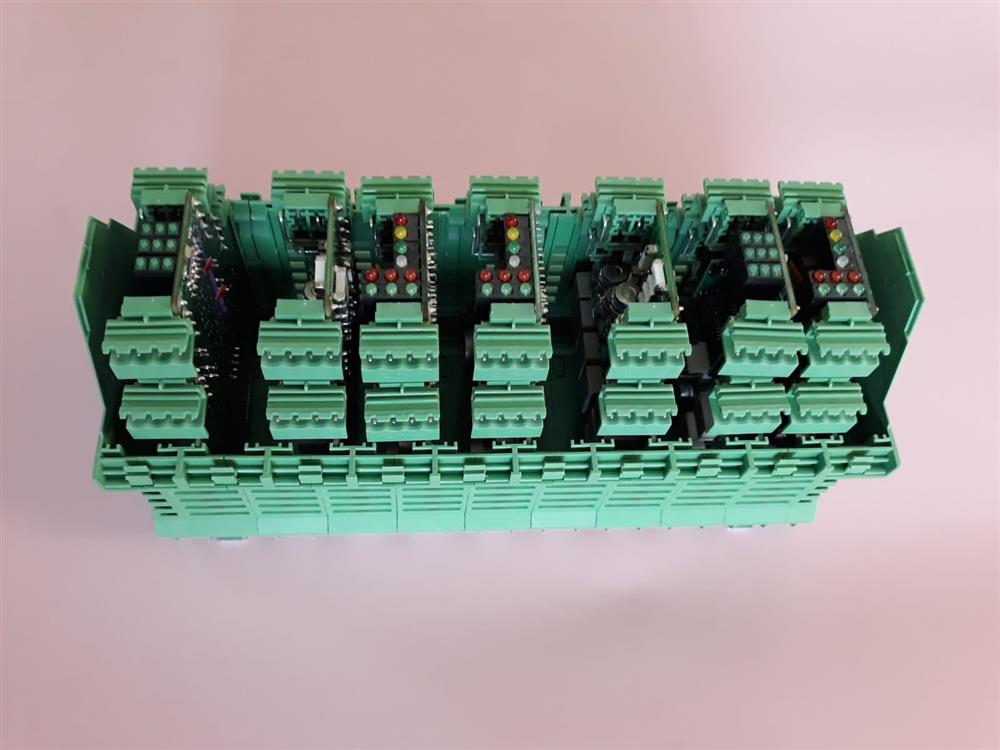
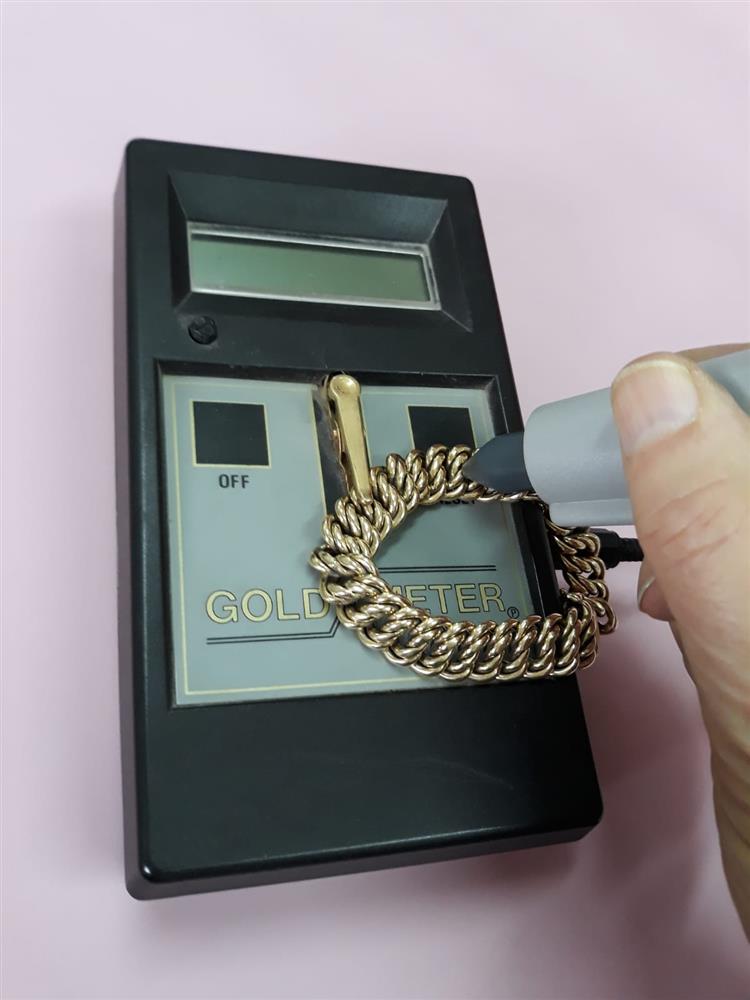
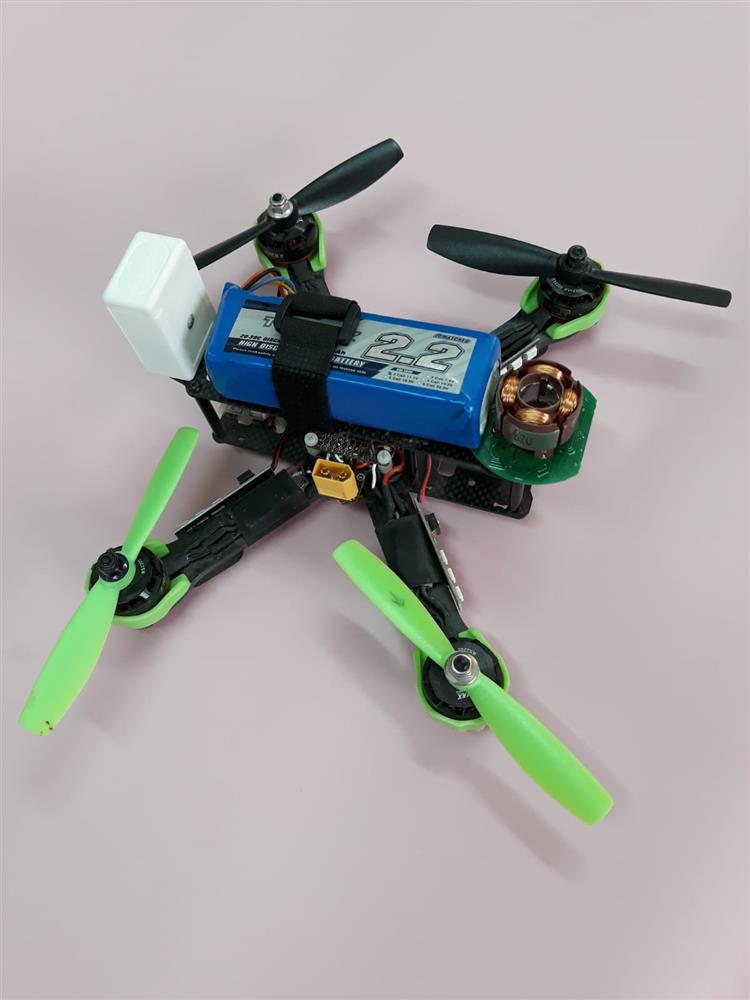
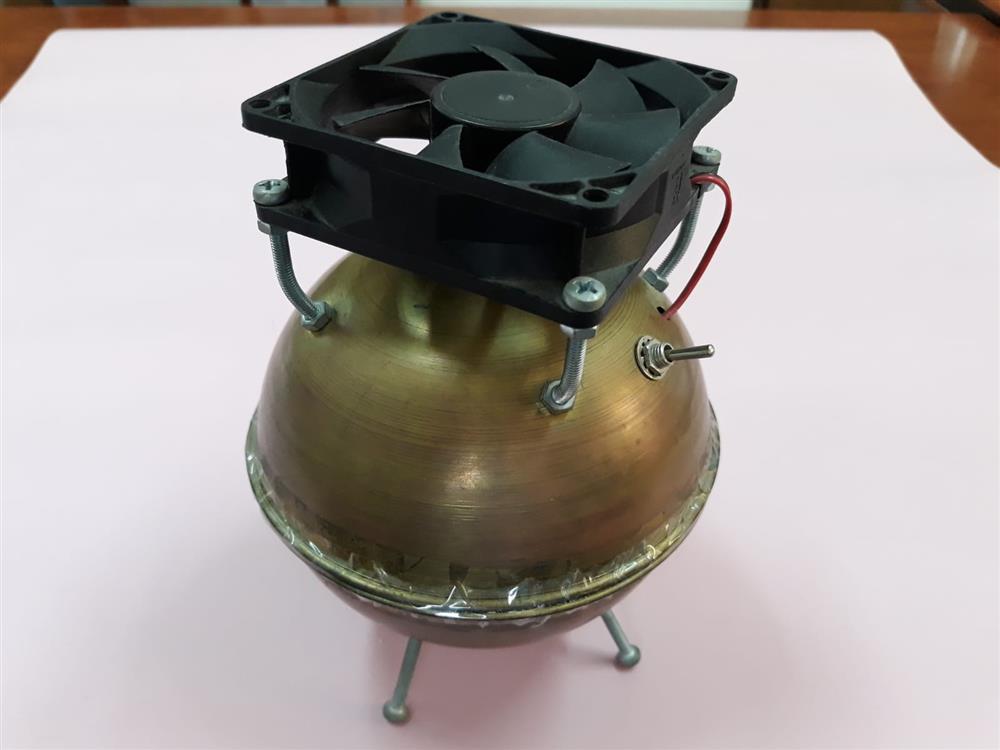
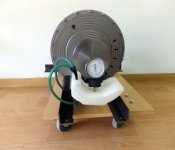
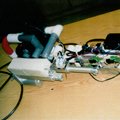
Products developed at our company – product development in mechanics and electronics and more:
- Plastic and metal products
- Transport command and control systems
- Information security for computers and internet
- DNA testing device
- Building rescue systems
- Computer communication modem
- Radiation protection for cellular phone
- Electromechanical products
- Sensors and probes
- Smart window
- Games and toys
- Weather detector
- Baby products
- Solar energy products
- Gemological and seismological instruments
- Lightning protection
- Robots
- Household products
- Scientific and medical instruments
- Facilities and production lines
- Aviation and maritime products
- Animal products
- Inflatable products
- Leather and fabric products
- Automotive products
- Sports products
- Security and military products
- Optical products
- Magnetic products
- Infrastructure and construction products
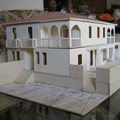
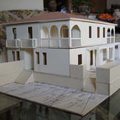
- House models
- And many other projects

How to Manufacture a New Product?
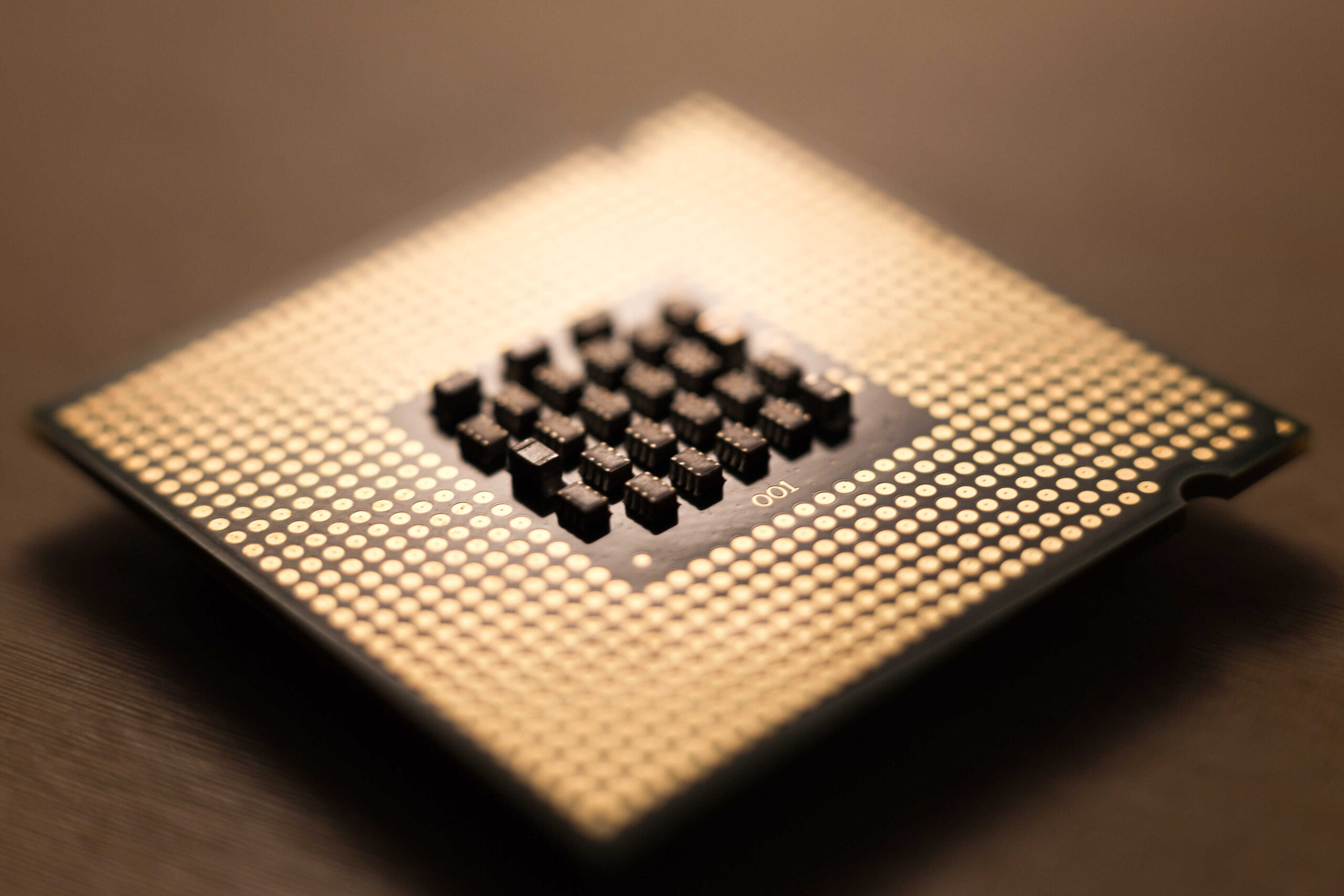
“Development” and “manufacturing” – two words, each of which is a whole world of professionals and experts, technologies and devices, market research, planning processes, design, construction, assembly, testing, control, and more, that come together to a bottom line of very many resources and consequently – monetary expenses that can range from tens of thousands to many millions of shekels.
Therefore, no matter how exciting and thrilling the idea is, it’s very worthwhile to conduct a series of checks and tests before embarking on a product design or new product manufacturing process.
Anyone asking themselves how to start manufacturing a product, or how to develop an invention, is invited to continue reading to the end.
Product Development and Design – Defining Strategic Goal
The first question that needs to be asked before even starting to throw ideas into the air for product development is: why is this good and why do we want to develop this?
Let’s set aside for a moment the case of that enthusiastic inventor who sees before his eyes only a vision of building a product that will turn his idea into reality and is willing to bear the consequences even if it turns out he’s its only fan and has no buyers.
In any other case, the product development process has a price that needs to justify itself and serve some purpose.
There are various possible goals that will dictate the important milestones according to which development and manufacturing processes will be built, such as budget definition, resource allocation, business plan building, need for fundraising, and of course, the nature and characteristics of the new product:
- Market development – There are cases where deciding to develop a product is to expand within an existing market or penetrate a new market, as a way to deepen market presence, establish position against competitors, or as an engine for economic growth.
- Building authority and reputation in a specific niche – A central goal for an entrepreneur or company interested in building or preserving reputation in their niche and strengthening their position as leaders in the field.
- Responding to a need – A new product can provide a response to a certain lack. This can be a technological, engineering solution, or even upgrading a small component within a complex and large product that will upgrade and streamline it.
These are just three examples from a wide range of relevant strategic goals. No matter what the reason for product development, once you define it, it’s much easier to know in the later stages of the process whether the product indeed meets the goal for which it’s being developed, whether adjustments and changes need to be made, or whether it’s better to abandon it and move to another idea to minimize damages.
Stages in Product Development
Whether it’s developing metal components, electronic product development, or plastic parts, there are several basic stages in developing any product:
- Market analysis – Defining the product’s target audience and thorough research regarding its size, its needs, its desires, the amount it’s willing to pay for the product, etc. This important information is part of checking economic feasibility before starting to invest in the product.
- Product planning – Examining different possible alternatives in terms of design, materials, quantities, and more, and choosing the best among them in light of the initial goal the product is meant to serve and its target audience.
- Patent registration – Not every product needs or wants patent registration. But there are cases where it’s a new and groundbreaking product or technology that has a good chance of receiving recognition as a patent. If this is possible, it’s a move that could be worth very much – both in money and reputation.
- Prototype product development or before that a feasibility testing model – Building the initial version of the product, similar to a draft, on which tests, adjustments, changes, and upgrades can be made until obtaining the final product version.
- Manufacturing – The last stage is commercial manufacturing of the finished product.
Of course, each of the stages encompasses many sub-stages and a large collection of considerations and processes that are important to perform.
The more each of the process stages is entrusted to professional, experienced, and skilled hands, the fewer mistakes will be made and many resources of money, time, and effort will be saved.
Product Development Cost
Prototype manufacturing cost as well as mass production cost is a matter that depends on many factors, and it’s not possible to compare the manufacturing cost of one product to another. For illustration, it’s enough to think about the difference between developing a small and simple plastic component that can be printed on a 3D printer, and developing an innovative medical imaging machine, or developing new technology for transmitting television signals in cables. Preliminary economic feasibility testing will give the answer to the cost issue.
Considering Starting New Product Development? Interested in Registering a New Product as a Patent?
We at “Av Tipus Patents and Inventions Ltd.” put at your disposal our extensive experience after decades of work with large companies, research institutes, universities, military and security institutions, and also private inventors.
You’re welcome to contact us for consultation and guidance, and also to entrust us with handling each of the process stages. Contact us:
By phone: 03-971-1011 | By email: info@avtipus.com | Or fill in details here and we’ll get back to you
Questions and Answers in the Product Development Field
First, you need to think about the invention or idea – what is the product’s goal, what do you want to do, and what does the product give the user? What advantage? Why will they buy the developed product and not its competitor? After that, a technical team needs to examine how to reach the goal, with what technology and way to develop the product. Sometimes there’s more than one way to reach the desired result.
First, concept planning is performed. Concept planning is intended to define the invention and the proposed concept. After concept planning, it’s possible in parallel with model planning to submit a patent. After model planning completion, the entrepreneur or inventor checks that the planning is indeed what was requested and approves 3D drawings illustrating how the model will look. In the next stage, model construction and manufacturing begins. When the model is ready, feasibility is tested, therefore the model is called a feasibility testing model, meaning the entrepreneur and inventor check that indeed the model works according to his requirements. In the next stage, prototype construction and manufacturing begins, after proving feasibility in the feasibility testing model.
A feasibility testing model tests the technological feasibility that indeed the use is performed according to the entrepreneur’s or inventor’s desire, but the model isn’t identical to the final product. Its purpose is for testing purposes. A prototype is the first in series that is one-to-one with serial production. In a model, we build and manufacture it in the mechanical workshop and electronics and software development laboratory. For prototype purposes, in many cases, tools and facilities already need to be manufactured to reach the first in series, for example plastic production molds.
Tooling is the manufacturing means for prototype or in English Tooling, for example molds, dies, casting dies, jigs from which prototypes are manufactured and then mass production.
The advantage of printing a model in a 3D printer is that it’s possible to test the model after printing, before entering into producing manufacturing means such as the mold. If after testing they see there’s something to improve in the model, it’s possible to update the planning and print another model in a short time before progressing.
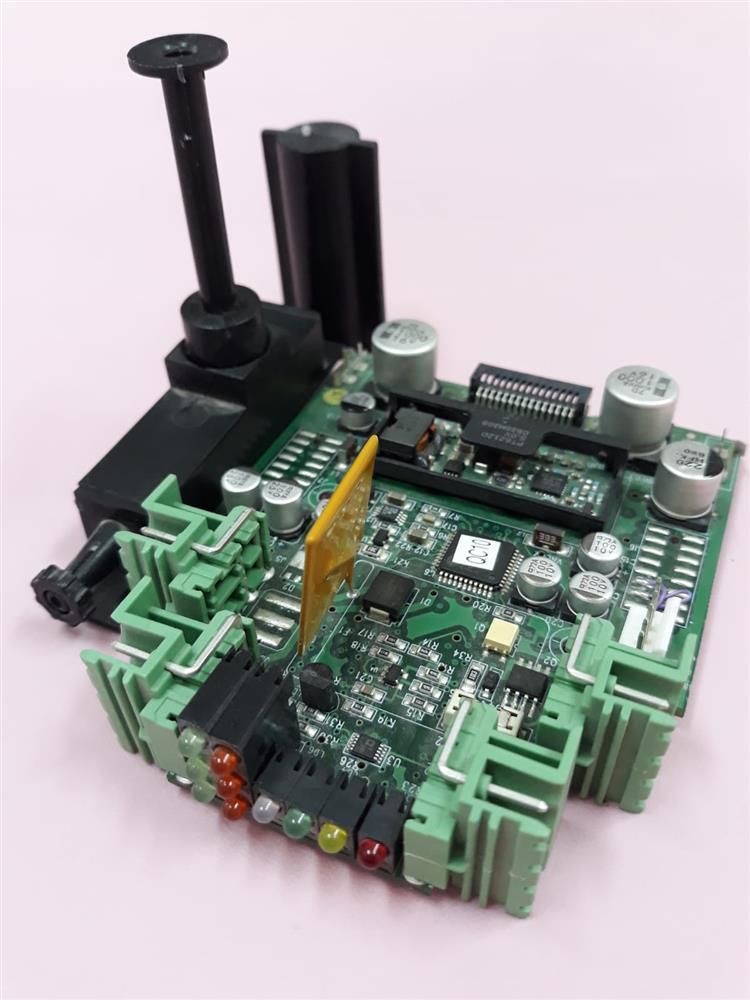
Printed circuit board editing is the editing of the board on which the electronic components sit. A technical team edits the circuit and positions the components in the electronic circuit.
Product design in many cases begins after there’s a first model for feasibility proof, but already in the feasibility proof model, it’s advisable to pay attention and direct toward future design. After the model is ready and it’s possible to understand the physical size required for the product, it’s possible to finally design the product toward prototype manufacturing.
Yes, it’s possible to protect product design through a design registration application in Israel or outside Israel. Our office has a team of consulting patent attorneys who submit design applications in Israel and outside Israel, and additionally in many cases also submit a patent application in addition to the design protection application.
Application development that connects to a physical product is usually performed in parallel with model development. In product development, there are many development processes performed in parallel. Our technical team, in parallel with product development when starting model development, develops mechanics and plastics and also develops an application that in many cases is related to the product itself, for example for starting and stopping the product, receiving alerts, and many other functions that can be performed through the application.
The technologies in product development and manufacturing are many. Here are examples: 3D printing, laser cutting, CNC machining, engraving, plastic injections, casting, application development, software development, electronics development.
There’s no shelf price for product development since every product varies in the development field. Sometimes it’s about combined development in several fields, for example mechanics with electronics and software. In the first stage, concept planning is prepared, and after that it’s possible to price product development cost approximately.
Development time varies from case to case. Sometimes product development takes a few days and sometimes months. Development time varies according to development simplicity or complexity.
In research, they try to find a technological solution not yet known to the developer how to solve it. There are hypotheses and research directions, but it’s a process whose results haven’t yet been tested and researched. Development talks about the implementation method. For example, a person wants to create a certain geometric plastic part. It’s clear that it’s possible to manufacture it, and therefore only development is required, meaning planning, and there’s no need to research that it’s possible to manufacture and use the part.
Product development in electronics is an important part during product development. In the past, product development was based on electronics in analog method, but today most products developed in electronics are based on software, meaning “the intelligence” and wisdom in product development has changed from being by electronic components to software components located in microcontroller. Electronics components will usually support the software component.
Sometimes people start in the product development stage with the external part, meaning in plastics and mechanics, but this is a common mistake. When there’s product development combining electronics and software, it’s advisable first to develop the internal part and from there go outward, sometimes in parallel.
That is, product requirements will in many cases dictate the size, and consequently design will be performed. For example, characteristics such as battery size, electrical circuit size, internal transformer sitting on the circuit, and so on – these will dictate basic size for performing the tasks required from the product. After that, we’ll move to the hardware stage, namely the plastic and mechanics of the product.
In our office, a multidisciplinary team develops products from the idea stage in electronics, software, plastics, mechanics, electricity, and many other fields, integrating the technical aspect and design aspect during product development.
Our office performs medical product development from the idea stage. In many cases, doctors, technicians in medical fields, and people from medicine fields exposed to problems arising in their work processes approach us, but not only – in many cases also patients and people exposed to medical problems themselves or through their family find out-of-the-box solutions that can help the medical field.
Medical product development is a field with very impressive sales turnover and ability to raise investors compared to other fields. Good inventions and ideas that solve medical problems and ease patients can constitute significant projects economically, and sometimes fundraising is very fast.
But it’s important to remember, even if capital is raised, the product is still not in the market. In medical products, sometimes regulation and receiving approvals for product use can take relatively long time compared to other products such as consumer products.
Our team accompanies inventors and entrepreneurs from the idea stage, first in basic concept planning and patent registration application by a consulting patent attorney, and later in product development, by building a model and building a prototype until completing product development stage.
Technological product development can in many cases integrate several fields. In our office, there’s a technical team and consulting patent attorneys who accompany the entrepreneur and inventor from the idea stage. The first stage is technological definition in combination with defining the technological product goal. That is, characterizing what the product’s goal is, what they want it to perform, what are the required performances at development completion.
After goal definition, they check with what technological means it’s advisable to use to achieve the goal. Sometimes there are several technological ways allowing reaching the desired result, and it’s necessary to choose technologically which option is preferable.
For example, if it’s about a new detector for alarm system, will we use active or passive infrared detector technology, perhaps sound or Doppler detector, perhaps laser, perhaps in other ways?
After the decision in technology choice, and sometimes each option has advantages and disadvantages, they move to concept planning stage, patent registration, model planning and manufacturing for feasibility testing, prototype planning and manufacturing, until completing technological product development.
What are new product development costs? are derived from the product field and goals. Before actual product development, it’s required to define the principle – what’s the purpose of the new product? Is it about research or development? What’s the level of certainty or uncertainty in development, and more characterization questions such as target price goal for manufacturing or consumer, quality and product positioning, namely is it about quality product that will last many years or seasonal product and the user will buy another product.
Product development starts from definition. Our office performs basic concept planning that first technically defines the invention technically. Concept planning is drawings accompanied by text explaining them, after which it’s possible to move to model planning stage and also use them for patent application purposes.
The product’s purpose will define the technical side. That is, if it’s about a writing tool for example, what do you want to do with it – write or paint… Have you performed this technical action before? For example, have you written with this means before? If you’re inventing the print, then it’s about research that is more expensive than development. Is the pen intended for a child or adult? What’s the pen’s quality? Is it intended for a month or five years… Is its target price 2 ₪ or 200 ₪? All these are questions that will affect product development.
New product development costs can range from several hundred shekels to millions of shekels and more. How much does it cost to develop an ashtray compared to a spacecraft? It depends on the definition and goals…
Contact us at 03-9711011 and schedule an introductory meeting at no cost to progress and receive a proposal for product development.
A product development engineer usually studied engineering in a specific field of the developed product, for example a mechanical engineer for the machinery field, but if it’s about a chemical product, he probably won’t help. Engineering fields are many. An engineer doesn’t always necessarily know what the solution is. Therefore, the Patent Law talks about an inventor and not an engineer. Inventors are usually people who find creative solutions to problems. Engineers, if they’re in the field, can certainly implement and develop the product. In our office, there’s a technical team first composed of inventors who integrate patent attorneys to protect the invention, and engineers and designers who advise as needed.
It’s important to have vision, brainstorm, and think outside the box. The goal is to optimize and find unique and innovative solutions in new product development.
For example, we developed a new window for a leading company in Israel. They tried to develop the same window for 8 years. They have an excellent team of engineers, perhaps the best in the country in their field, but they didn’t have vision and creative thinking. Within 3 months, we established a working model by a team from another field. Precisely people from another field can often bring special solutions that will amaze the more experienced teams in that field.
If you have an invention, contact us at 03-9711011 so we can give you a proposal for advancing product development.
The product development process is a process that usually starts from an idea. An idea can become something new, meaning a new invention that can be submitted and maybe receive a patent, or an idea for an existing product that has no novelty, for example manufacturing another known product like a pot, meaning there’s no novelty and everything is known – the technology is known and the result is known.
Therefore, it’s customary to divide the product development process into two branches: research and development. Research is when there’s a high level of uncertainty and it’s about something that wasn’t done before and may work and may not work. Usually, research will be accompanied by experiments for feasibility testing.
Development is an easier case, meaning they already manufactured a pot before, so it’s clear we’ll succeed in manufacturing a pot as a new product, meaning more of the same thing. But when in development there’s a new invention or innovative idea that wasn’t performed before, then the uncertainty level rises, and then sometimes feasibility testing needs to be performed to check if the concept indeed works to achieve the goal of new product development.
New product development process – it’s possible to list several stages, the main ones being: idea, concept planning, model planning, model manufacturing, design, tool and facility planning for manufacturing, prototype planning, prototype manufacturing.
Idea is the initial stage, sometimes the pre-invention stage. For example, seeing a problem and finding a way to solve it or optimize a process.
Concept planning is a stage of basic drawings illustrating the idea and in many cases turning it into a new invention. Through concept planning, it’s possible to use its outputs for patent application purposes.
Model planning is a stage of technical solutions, dimensions, sometimes material choice but not always, since after model planning, in most cases, final production raw materials aren’t yet used.
Model manufacturing – after planning, a first model is manufactured. Sometimes it’s not designed to test that the technological solutions indeed work for feasibility testing purposes. For example, in many cases, the plastic will be printed in a 3D printer and not from final raw material, meaning not in plastic injection.
Design – after ensuring the model works, there’s a basis for design. They wrap the technology in beautiful and designed hardware.
Tools and facilities planning – meaning molds, dies, casting means, and production lines to create a prototype that is first in series.
Prototype planning that will be built using dedicated tools, sometimes for special parts, sometimes in the product.
Prototype manufacturing using manufacturing tools, namely it will be the first in the production series.
At each stage, sometimes there’s a need for improvements and repeating the same stage when there’s a need to improve and change or when there are ideas and new implementation methods for improvement.
For product development process, call now 03-9711011. Introductory meeting at no cost.
What is product invention? Products and inventions – what’s the connection? There’s a close connection between product invention and the product itself, but the invention and patent need to check that they indeed define the developed product. That is, sometimes an inventor invents an invention, submits a patent application through a patent attorney, and approaches a product development company that develops the product in a completely different way from the way on which the inventor received a patent.
Product invention is essentially inventing an invention on which a patent can be submitted. The product isn’t protected without patent or design registration. Protection is by force of intellectual property and not on the product itself. Patent and design are legal rights that need to be anchored and registered according to law.
Our office treats inventions from the idea stage that become products. The correct thing is inventing an invention that we turn into a product. Contact us for an introductory meeting at no cost. Call now 03-9711011.
Product development companies, as in many other cases, it’s important that there be experience. For companies, a team with experience of over 30 years in product development. Our team numbers people from different fields, and we know how to develop products in multi-system fields, meaning a team from different fields knows how to integrate development into one product.
For example, in electronics, mechanics, electricity, plastics, computers, applications namely software, optics, and many other diverse fields. We develop products in automotive fields, consumer products, medical products, security products, military products, maritime products, aerial products, household and kitchen products, and many other diverse fields.
Contact us for details and introductory meeting at no cost. Call now 03-9711011.
Medical product development is a private case of development in general. In medical products, sometimes development processes are different. That is, for example, there’s a stage of testing in animals and in humans later. There are different and stricter standards compared to consumer products. Therefore, there’s a need for unique experience in this field.
Our office developed dozens of medical products in diverse fields, for example a product for shortening dialysis time, more than one orthopedic product, a product for treating skin pigmentation, a medical product for solving proctological problems, a medical product for optometrists, a medical product for treating buttocks, and many other diverse products.
In the first stage, the idea and invention need to be defined and a patent submitted to protect the invention. After that, it’s possible to approach the model planning and manufacturing process, searching for investors.
Military product development and patent submission is a unique case. The Patent Law restricts Israeli civilian inventors from submitting certain products, for example weapons, outside Israel. There’s a process that needs to be performed correctly to prevent mistakes. First, if it’s about a military product included within the definition in the Patent Law, it’s possible to submit the invention according to law only in Israel. The Patent Authority will transfer the invention, for example in the weapons field, to the Ministry of Defense. The Ministry of Defense may prohibit submitting the same patent outside Israel and may even transfer ownership to it while compensating the applicant of the application submitted to the Patent Authority.
There’s a compensation committee that will grant appropriate compensation according to the committee’s position. If the Ministry of Defense did nothing within 6 months from submission day, the applicant may progress and submit the application also outside Israel while requesting a priority date from the Israeli application to the application outside Israel according to the Paris Convention. This way, the application date submitted outside Israel will receive the date of the application submitted in Israel, and the priority date will be preserved for the applicant.
Our office developed many military products and prepared documents for many inventions on which patent applications were submitted. A military product can be in the weapons field, ammunition, air, sea, and land.
If you have a military product, contact us to receive a price quote and additional details. Call now 03-9711011.
The stages of new product development are: idea or invention definition, basic concept planning, feasibility testing model planning, feasibility testing model manufacturing, prototype and manufacturing tools planning, manufacturing tools and manufacturing means manufacturing, first prototype manufacturing – first in series, test manufacturing of first production series, mass production.
Idea or invention definition: Idea or invention definition is the initial stage where they define the goal – what do you want to do? What problem are you solving? Why will the product being developed sell? Why will it be better compared to others? What’s the target price for the consumer? These are questions that should be checked and defined in conceptual examination.
Basic concept planning: In concept planning performed by a technical team, they show basic drawings of the invention and idea. The drawings are accompanied by a concise explanation describing the components generally found in the drawing and choosing the basic technology for the product. Also, through concept planning, it’s already possible to submit a patent registration application or design application for rights registration.
Feasibility testing model planning: Planning is performed to check what way to implement the concept, meaning going down to more specific resolution, dimensions, basic materials.
Feasibility testing model manufacturing: In model manufacturing, mechanical workshop and electronics and software development laboratory are used, but it’s still not mass production. That is, manufacturing means will be, for example, 3D printer, lathe, machining, and technologies intended to manufacture a single model and not for mass product duplication.
Prototype planning: When planning a prototype, final product design is performed. Also, final manufacturing tools are planned – molds, dies, casting means, final electronic circuits planning for placement machines, and more.
Prototype manufacturing: Prototype manufacturing is performed using tools and facilities for mass production. Prototype is the first in production series. First, a small quantity is manufactured for testing. After improvements and adjustments, it’s possible to start performing mass production.
It’s very important before revealing the product to sign a confidentiality agreement with an experienced company in the field that won’t disappear tomorrow. Also, it’s important in parallel with product development or before it to protect the invention and design by patent and design registration. In our office, we provide integrated services by technical team and patent attorneys from the idea stage. At the introductory meeting, they sign a confidentiality agreement, and if the client is interested in parallel and before development, they submit patent and design application as soon as possible by our consulting team of patent attorneys.
Contact us now at 03-9711011, and our representative will help you with product development from the idea stage. Our experienced teams will be happy to answer questions and give you a proposal for advancing your product. The introductory meeting is at no cost and without obligation.
Our consulting patent attorneys and technical team can help you. The above information is partial and not complete. Contact us for additional details at 03-9711011.